Diabetes Care at Doorsteps (“Diabetes Rath”), Supported by the World Diabetes Foundation
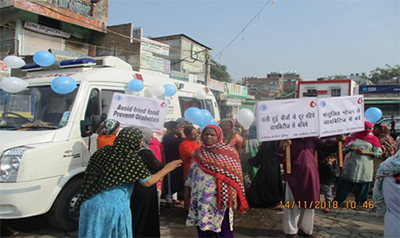
The Our Foundation, in collaboration with Diabetes Foundation India (DFI), implemented the “Diabetes Care at Doorsteps” initiative, popularly known as “Diabetes Rath,” from 2015 to 2018. The project aimed to provide community-based screening, standardized care, management, and preventive guidance for diabetes among underprivileged populations across ten locations in Delhi.
The initiative focused on raising awareness about diabetes, obesity, lipid disorders, diabetic retinopathy, foot ulcers, and other associated co-morbidities. It sought to facilitate early detection and timely management of diabetes and its complications while promoting healthy dietary habits and lifestyle practices for disease prevention.
The Diabetes Rath program operated through two specialized mobile health units equipped with diagnostic and screening facilities, including anthropometric measurements, random blood glucose testing, Vibration Perception Test (VPT), Ankle-Brachial Index (ABI), electrocardiography (ECG), retinal examination and fundus photography, and blood pressure monitoring. These customized mobile diabetes units enabled the delivery of standardized diabetes care directly within communities.
Retinal images captured through the mobile units were electronically transmitted to tertiary care centers for expert evaluation and further management, thereby strengthening referral linkages and ensuring continuity of care. The program significantly enhanced community awareness and facilitated the early detection of diabetes and related complications, including diabetic foot ulcers, kidney disease, cardiovascular events, vision impairment, and stroke.
In addition to clinical services, beneficiaries received structured counseling, nutritional guidance, and lifestyle education aimed at preventing and managing non-communicable diseases. The project demonstrated the effectiveness of mobile healthcare delivery models in expanding access to quality diabetes care among underserved populations.
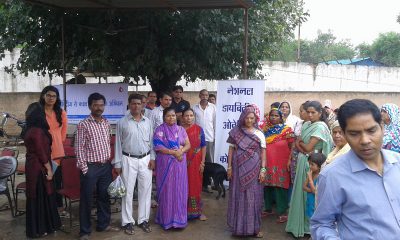
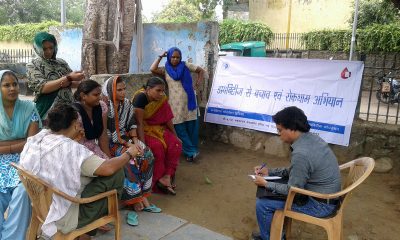
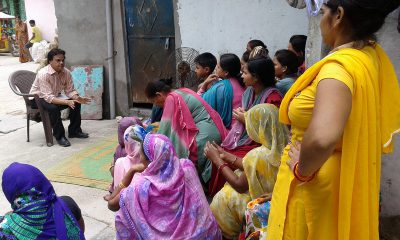
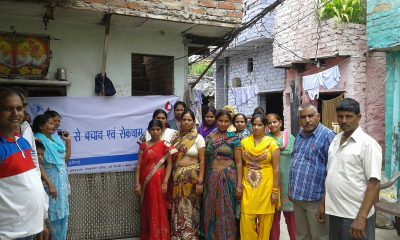
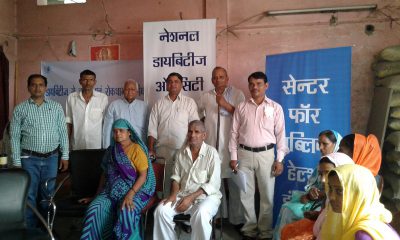
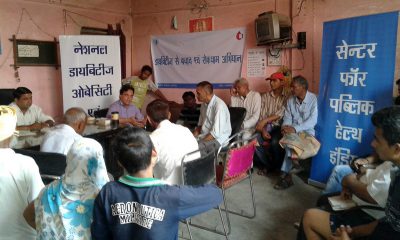
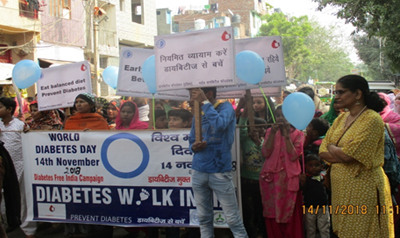
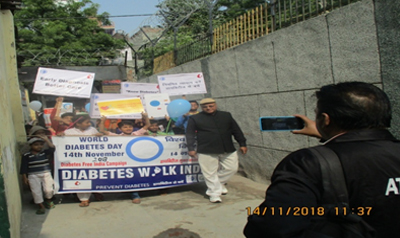
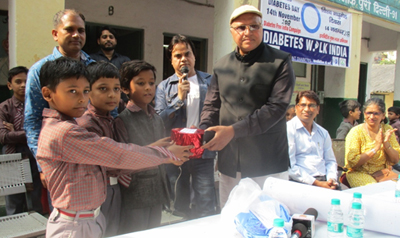
- Conducted about 160 sensitization sessions in collaboration with local stakeholders such as political personalities, local doctors and school teachers and resident’s welfare association.
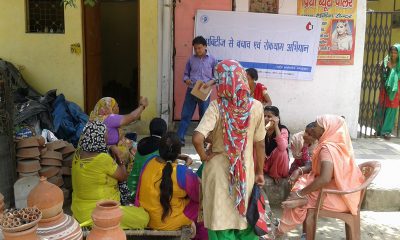
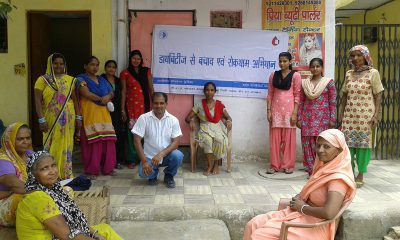
- The project has covered about 2,52,300 population with 260 mass awareness sessions.
- About 2110 people were identified having pre-diabetic conditions.
- About 8,215 people were identified with diabetes.
- Provided counseling to about 82,500 people with main focus on lifestyle education.
- About 140 volunteers are trained on issues of diabetes and complications.
- About 300 local and tertiary health providers oriented on diabetes related issues.
- Linkages with tertiary care centres established for those who needed further management.